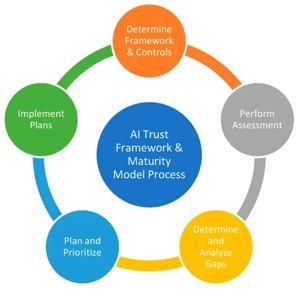
The rapid advancement of artificial intelligence (AI) has ushered in an era of unprecedented technological capabilities. However, as organizations and individuals become increasingly reliant on AI systems, there’s a growing risk of complacency that could lead to severe consequences. This “AI comfort zone” is, in fact, a danger zone that demands our immediate attention and action.
The Illusion of Safety
Many have grown accustomed to AI’s presence in their daily lives, from virtual assistants to recommendation algorithms. This familiarity has bred a false sense of security, leading some to overlook the potential risks associated with AI systems. The danger lies not in the technology itself, but in our complacency towards its governance and ethical implications.
Trust: A Double-Edged Sword
Trust in AI is crucial for its adoption and effectiveness. However, blind trust can be perilous. AI systems, despite their sophistication, are not infallible. They can perpetuate biases, make errors, and potentially cause harm if not properly monitored and regulated.
The Compliance Conundrum
As AI technologies evolve at breakneck speed, regulatory frameworks struggle to keep pace. This lag creates a compliance gap that organizations must proactively address. Waiting for regulations to catch up is not a viable strategy; it’s a recipe for future legal and ethical challenges.
Ethical Considerations
The ethical implications of AI extend far beyond mere compliance. Issues of privacy, fairness, and transparency demand constant vigilance. Organizations must embed ethical considerations into every stage of AI development and deployment.
The Path Forward
To navigate this danger zone safely, we must adopt a proactive approach to AI governance:
- Continuous Assessment: Regularly evaluate AI systems for potential risks and biases.
- Transparency: Ensure AI decision-making processes are explainable and accountable.
- Ethical Framework: Develop and adhere to robust ethical guidelines for AI development and use.
- Stakeholder Engagement: Involve diverse perspectives in AI governance to address potential blind spots.
- Education: Foster AI literacy among employees and users to promote responsible use.
Conclusion
The AI comfort zone is an illusion we can ill afford. By acknowledging the potential dangers and taking proactive steps to address them, we can harness the power of AI while mitigating its risks. Trust and compliance in AI are not destinations but ongoing journeys that require constant vigilance, adaptation, and ethical consideration.
As we continue to push the boundaries of what’s possible with AI, let’s ensure that our comfort with the technology doesn’t outpace our commitment to its responsible development and use. Only then can we truly reap the benefits of AI while safeguarding against its potential pitfalls.
References:
[1] https://www.ey.com/en_ca/digital/how-do-you-teach-ai-the-value-of-trust
[2] https://www.talentlms.com/blog/ai-compliance-considerations/
[3] https://www.nemko.com/ai-trust
[4] https://www.leancompliance.ca/post/can-you-trust-ai
[5] https://coxandpalmerlaw.com/publication/legal-authority-and-consent-in-generative-ai-ensuring-compliance-and-building-trust/
[6] https://www.ipc.on.ca/en/media-centre/blog/artificial-intelligence-public-sector-building-trust-now-and-future
[7] https://www.onetrust.com/govern-ai-risk/
[8] https://www.forbes.com/councils/forbestechcouncil/2024/07/16/building-trust-and-meeting-compliance-in-the-age-of-ai/
 The Whizbang Weekly
Leave a comment